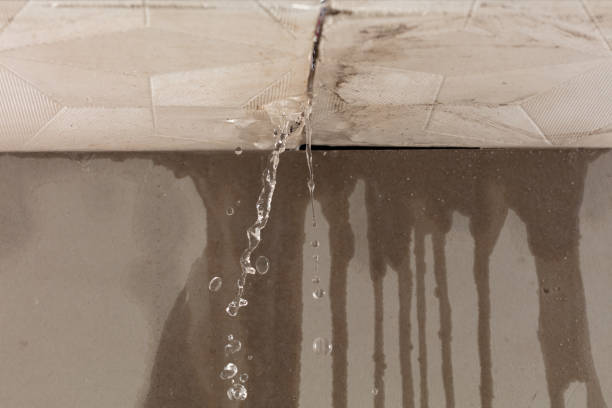
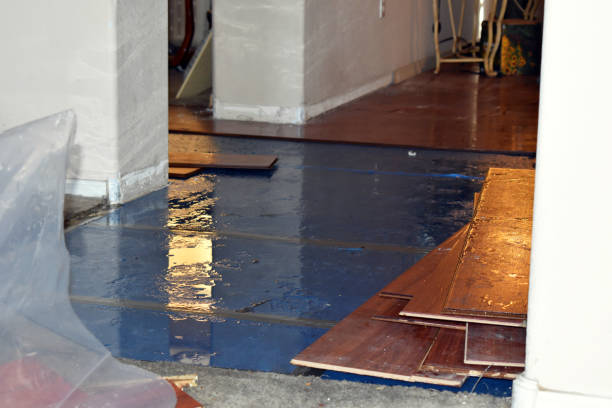
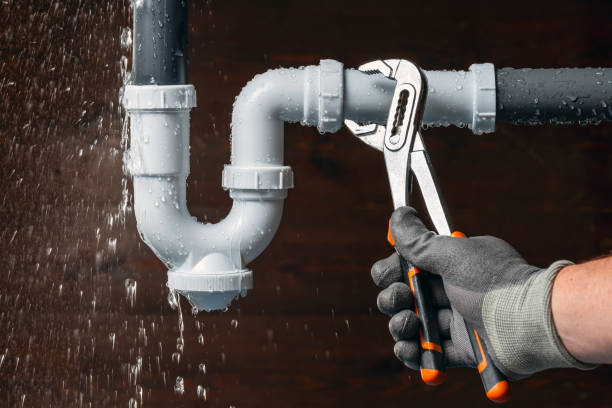
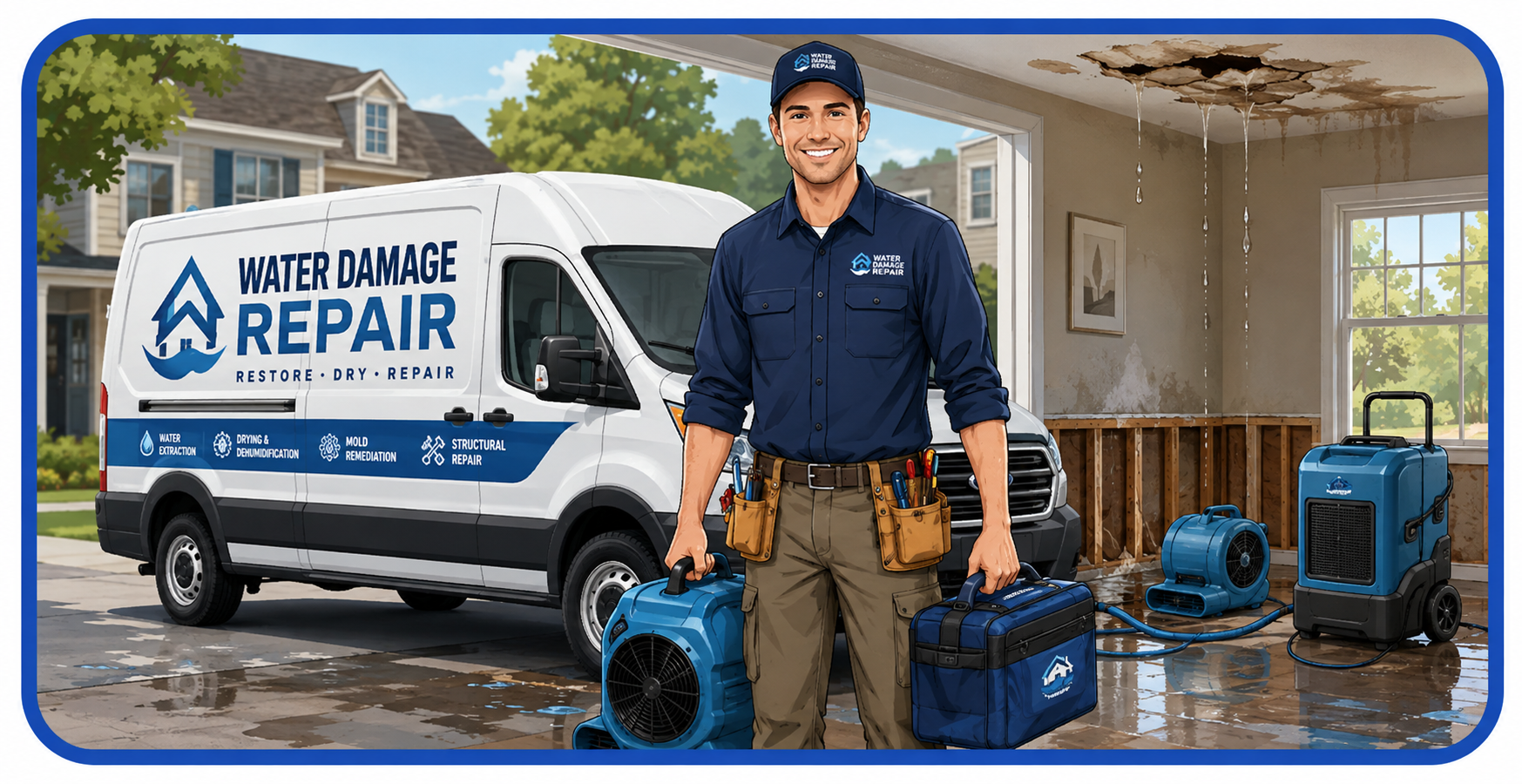
There's a specific kind of dread that comes with standing water spreading across a Shade living room floor. We're built to shorten that window between the panic and the fix.
Call +1-844-578-1604
Avg. arrival under 60 minutes in Shade
Flat-rate quote before any equipment runs
IICRC-certified technicians on every truck

Aqua Guard Water Damage didn't parachute into Shade with a rented truck and a stock script. Our technicians have worked this market long enough to know which neighborhoods sit low, which ones have older cast-iron plumbing, and which zip codes call in during every heavy storm.
Our Shade dispatch desk is staffed around the clock by people, not an automated queue, which matters most at exactly the hour you're calling.
Homeowners dealing with a flood are stressed enough without technical jargon, so we train our crews to explain the process in plain terms from the first phone call.
Water damage rarely starts as a dramatic flood — it usually starts small, and these are the signs worth acting on before the damage spreads further.
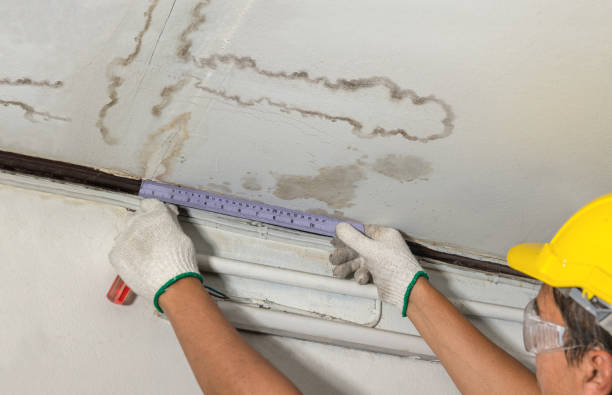
Fresh paint over an old stain can hide the problem visually for a month or two, right up until the drywall paper backing gives out.
If a dehumidifier and open windows don't clear the smell within a day or two, there's an active moisture source that ventilation alone won't solve.
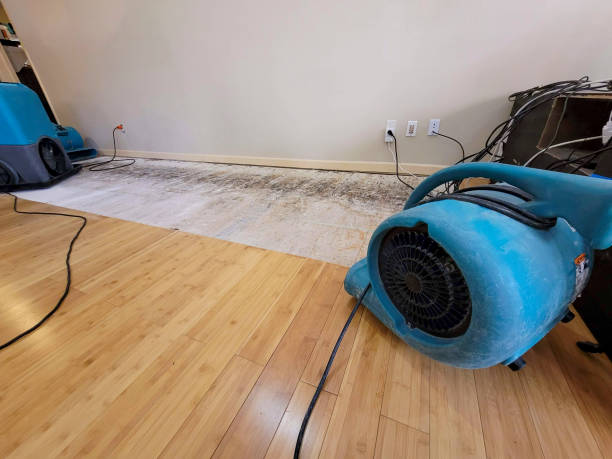
Flooring that shifts slightly when you walk on it, even subtly, is worth a moisture reading before it gets worse.
A sudden increase in usage with no change in household habits is often the earliest sign of a slab leak, well before any visible water shows up.
Bubbling paint near a baseboard or exterior wall usually means moisture is pushing through from behind rather than a simple application defect.
Dark spotting around grout lines or window frames is frequently the first visible sign of a developing moisture problem.
If more than one of these sounds familiar, it's worth a professional moisture check sooner rather than later.
Bouncing between an extraction company, a drying company, and a repair contractor is how small jobs turn into weeks-long headaches — we keep all three under one roof on purpose.
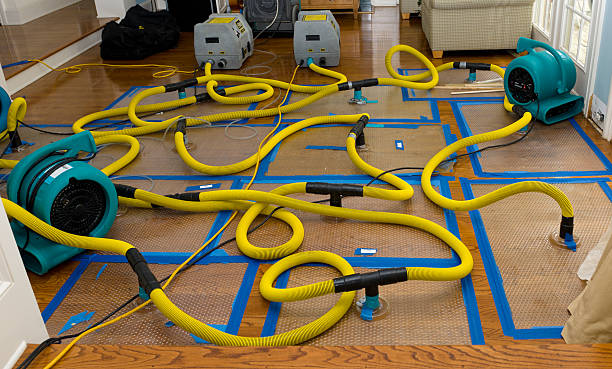
The equipment on our trucks scales up or down to the job, but the process — assess, extract, dry, verify, repair — doesn't change.
We treat extraction speed as the single biggest variable we control — every additional hour of standing water raises the odds of secondary damage.
Daily drying logs track humidity and surface moisture at every checkpoint, giving you documented proof of progress instead of a verbal 'it's getting there.'
Blackwater intrusions call for full PPE, controlled removal of porous materials that can't be sanitized, and hospital-grade disinfection before any reconstruction starts.
Antimicrobial treatment on studs, subfloor, and other porous surfaces happens during the drying phase, especially anywhere that stayed wet more than 48 hours.
Reconstruction starts from the actual drying documentation, not a fresh guess, which keeps the repair scope accurate.
Furniture, electronics, and documents get assessed on-site, with salvageable items cleaned and stored while the space dries.


This is the same sequence every job follows, whether it's a single flooded room or a full commercial loss.
A live dispatcher, not a voicemail tree, takes your call and asks a few quick questions about the source and severity so the crew rolls out prepared.
Moisture meters and thermal cameras trace exactly how far water has traveled, including inside walls and under flooring where it's invisible to the eye.
Extraction and drying run as one continuous process rather than two separate scheduled visits.
Every affected area gets re-tested before we call the job complete — no shortcuts on the sign-off.
We built the checklist below around the actual complaints people have about restoration companies in general, then made sure Aqua Guard Water Damage doesn't repeat them.
Every technician carries IICRC certification, and every crew works fully insured — documentation available whenever you want it.
Shorter drive times matter most in the first hour after a loss, which is exactly when local staging pays off.
The number we quote is the number you pay, regardless of how long the drying cycle runs.
Every job closes with a documented re-inspection, not a handshake and an invoice.
If our readings don't hit a safe drying standard on schedule, equipment stays running at our cost until they do — that's the bar we hold ourselves to.
The standard doesn't change based on job size — a single bathroom flood gets the same sign-off criteria as a full commercial loss.
Call +1-844-578-1604Our Shade service radius covers 45776, with trucks positioned to reach any address quickly, not just the neighborhoods closest to a single office.
Coverage extends past the city core into the surrounding Shade suburbs, so an outlying address isn't treated as a second-tier call.

"What stood out was how calm the technician stayed while explaining a genuinely stressful situation — that mattered more than I expected."
Renee A., Shade"The daily moisture log gave me something concrete to look at instead of just being told to trust the process."
Owen D., Shade"The sewage backup in our basement bathroom got the full PPE-and-disinfection treatment, and they walked me through exactly why certain materials had to go."
Fatima J., Shade"Fast response and clear pricing, and they handled the back-and-forth with my insurance adjuster directly, which saved me a genuinely stressful week."
Lucas P., Shade"The thermal scan caught damage behind a cabinet that could have turned into a much bigger mold problem if it went unnoticed."
Grace T., Shade"They sectioned off the wet area instead of shutting down the whole office during drying, which kept us operating almost normally."
Nathaniel W., Shade"A cracked supply line under our kitchen sink went unnoticed for days, and by the time we called, the subfloor was saturated. They only replaced what actually tested wet, not the whole floor."
Bianca H., Shade"They explained the crawl space drainage issue in plain terms instead of technical jargon, and fixed it on the spot rather than scheduling a separate trip."
Derek S., Shade"They found the actual source of the leak instead of just drying the surface damage, which saved us from the same problem happening again in a month."
Melissa C., Shade"Being out of town when it happened was stressful enough — having a crew that could work directly with our property manager made it manageable."
Victor N., Shade